Table of Contents
Sterilisation is something I frequently reflect on. Although patients may only notice the masks, bright lights and brief moments before becoming drowsy from the anaesthetic, from our perspective, sterilisation is the most important part.
On my very first day as a student nurse in the operating theatre, I was struck by how cold yet peaceful the Operating Theatre was. My mentor came over to me and whispered “You will see the surgery, but what we do will be done out of view of the patients.” I have never forgotten what she said.
The Ritual
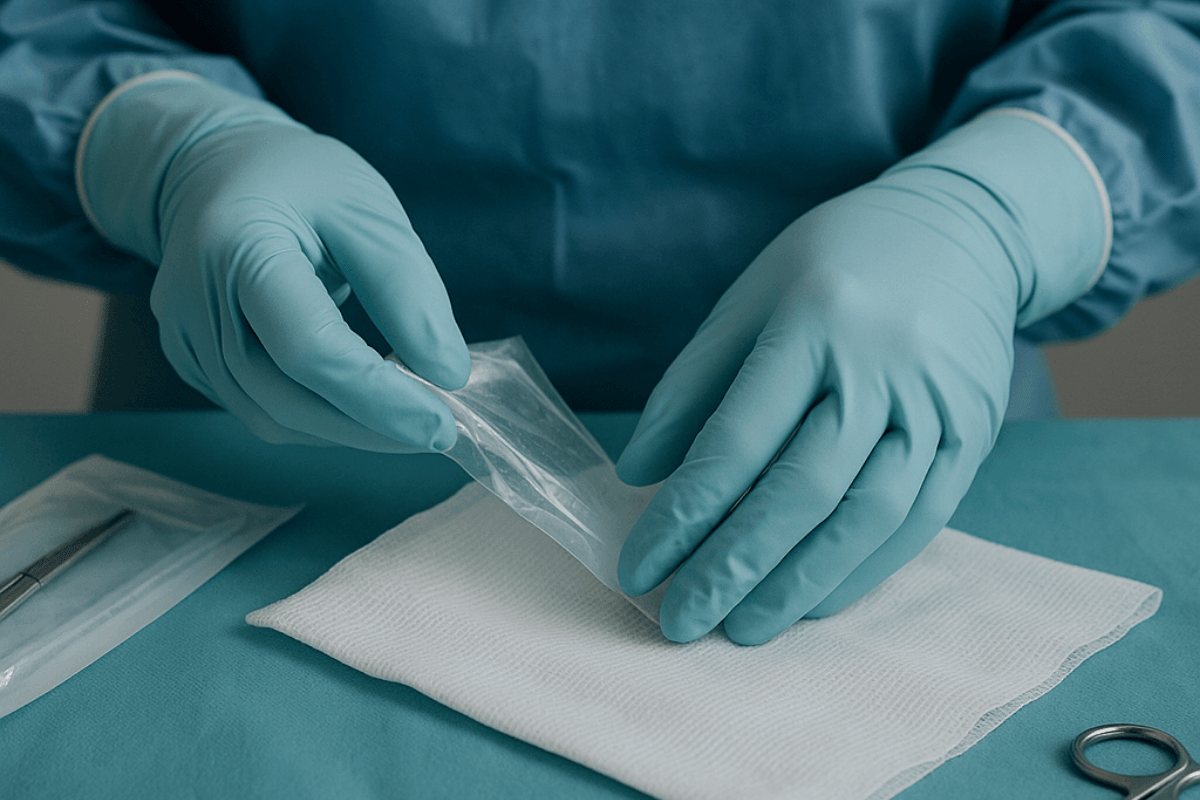
Sterilisation is essential for preventing infections. Before the surgeon enters, we make sure everything in the room has been properly disinfected, the dates have been checked and the instruments are in perfect order. When everything is carried out so methodically, it can genuinely feel like a ritual.
Different sterilisation methods are used depending on the instrument. Some instruments need to be steamed, while others require chemical treatment or gas. This helps ensure that no harm is caused.
Things I Have Learnt
Over the years, I have learned how important every detail is, including the smallest mistake. I once witnessed an incident in which someone accidentally touched a sterile drape during a lengthy procedure. As a result, we had to stop, clean everything and begin again. It was tedious, but it was the right thing to do. On another occasion, I saw a senior nurse quietly replace an instrument that might have been contaminated. These small actions help protect patients, even though they will never know about them.
The Things Patients Don’t See
Another aspect patients don’t see is the documentation. We must record everything we do, including sterilisation cycles, methods, and expiry dates. It can feel overwhelming at first, but now I feel safe knowing we can always review everything.
Sterilisation requires teamwork. I’ve seen a nurse speak up for a patient when an instrument had not been sterilised and nearly reached the area. Interrupting wasn’t easy, but they were courageous, and it helped protect the patient.
The Feeling I Get
Patients will usually thank the surgeon when they wake up, and rightfully so. However, I sometimes feel proud knowing that our careful actions helped them heal.
After years of working in the operating theatre, I no longer view sterilisation as a rule, but rather as a sign of respect for the patient, their family, and their life.
As I sit down to write this after a long shift, I remind myself why I never rush, double-check the simple things, and stand up for sterilisation. It isn’t only about surgery; it’s about respecting someone who has placed their trust in us.
Internal and External Links
If you’re curious about sterility and what life is really like behind the surgical doors, read more about my journey as an OR nurse.
And if you’re looking to deepen your understanding of sterile techniques in clinical practice, learn more about sterile techniques.
We’d love to stay in touch and keep you updated with the latest insights and resources!
Join our Email List Today!
- Stay informed with exclusive content and updates.
- Receive expert tips and valuable resources directly in your inbox.
- Be the first to know about new articles, events, and more!
Fill out the form to subscribe now and be part of our growing community!
Let’s keep the learning and excitement going!
SUBSCRIBE TO MY YOUTUBE CHANNEL
If this post about sterility resonated with you, I’d love for you to subscribe below. It’s not just a channel—it’s a growing space of honest nursing stories, gentle strength, and shared healing. Let’s walk this path together.
Leave a Reply
You must be logged in to post a comment.